You do not need a microscope, a biology degree, or an encyclopedic knowledge of Latin names to become interested in mycology. For many people, it begins with something much simpler: noticing a mushroom on a walk and wondering what it is.
Mycology is the study of fungi, an extraordinarily diverse kingdom that includes mushrooms, molds, yeasts, truffles, puffballs, lichens and countless organisms that spend most of their lives hidden from view.
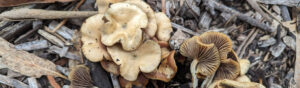
One of the best ways to begin is simply to slow down and start looking. Forest floors, lawns, fallen logs, gardens and even urban parks can reveal surprising fungal diversity. Pay attention not only to the mushroom itself, but also to its surroundings. Is it growing from soil or wood? Is it alone or in a group? What trees are nearby? What does the underside of the cap look like?
Photography is another valuable habit. Photograph a mushroom from several angles while leaving it in place whenever possible. Images of the cap, stem, underside and surrounding habitat can all be useful when learning about an unfamiliar specimen.
Field guides and online resources are excellent learning tools, but one of the fastest ways to improve is to spend time with other people who know fungi. Local mushroom clubs organize walks, lectures, identification sessions and other activities where beginners can learn directly from more experienced mycologists.
NAMA connects professional and amateur mycologists throughout North America and provides educational resources covering everything from taxonomy and conservation to cultivation, culinary arts, toxicology and photography.
Most importantly, do not feel pressured to identify everything immediately. Learning fungi is an ongoing process. The more carefully you observe, photograph, compare and ask questions, the more familiar the fungal world becomes.
Your next walk through the woods may never look quite the same again.
NAMA Store >